



Brake Pad Warning Signs for Stop-and-Go Driving in West Allis, WI
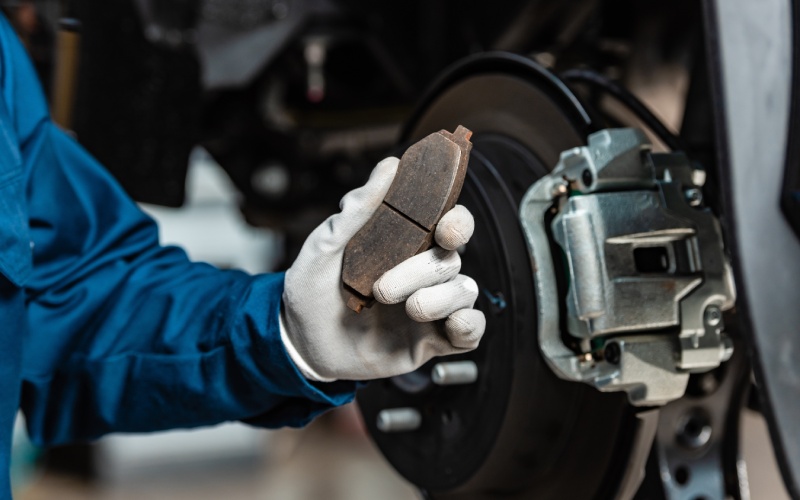
Russ Darrow Mazda of Milwaukee – Brake Pad Warning Signs for Stop-and-Go Driving in West Allis, WI
Brake pads do a difficult job every day, especially for drivers moving through West Allis, WI streets where frequent traffic lights, school zones, parking lots, and I-94 access ramps can turn an ordinary commute into repeated stop-and-go driving. Each stop creates heat and friction, and over time the brake pad material wears down. That wear is normal, but ignoring early warning signs can lead to reduced stopping confidence, rotor damage, longer stopping distances, and more extensive repair needs. If you hear squealing, feel vibration, notice a soft brake pedal, or see a brake warning light, your vehicle is asking for attention. Our Mazda service center helps drivers understand what those symptoms mean and whether brake pads, rotors, calipers, brake fluid, or another component needs service.
Why Local Driving Can Wear Brake Pads Faster
West Allis drivers often combine short neighborhood trips with freeway driving, and that mix can be harder on brakes than long, steady highway travel. Brakes cool more consistently during uninterrupted cruising, but frequent stops around National Avenue, Greenfield Avenue, and busy retail corridors keep pads and rotors working repeatedly. Add tight parking maneuvers, quick turns, construction zones, and heavier traffic near event areas, and brake components may wear unevenly if maintenance is delayed. Mazda models are engineered for precise, responsive driving, so brake performance is part of the overall feel of the vehicle. When that feel changes, even slightly, it is worth scheduling an inspection before the concern becomes more noticeable.
Brake pad wear does not always announce itself dramatically. Many drivers first notice a faint squeak in the morning, a grinding sound only during low-speed stops, or a steering wheel shimmy when braking from higher speeds. Others notice the brake pedal travels farther than usual or the vehicle seems to need more distance to stop. These clues matter because brake systems rely on multiple parts working together. A worn pad can affect the rotor surface, old brake fluid can reduce pedal feel, and a sticking caliper can make one wheel work harder than the others. A professional inspection identifies the source rather than guessing based on sound alone.
Common Brake Pad Warning Signs
- Squealing or chirping: A wear indicator may be contacting the rotor, signaling that brake pad material is getting low.
- Grinding noise: Pads may be severely worn, or debris may be caught between the pad and rotor.
- Pedal vibration: Rotor thickness variation, uneven pad deposits, or related wear may be affecting smooth stopping.
- Longer stopping distance: Worn pads, fluid concerns, tire condition, or multiple factors can reduce braking confidence.
- Brake warning light: The system may detect a fluid level, parking brake, electronic, or hydraulic concern that needs diagnosis.
If you notice one of these symptoms, it is best to avoid waiting for the sound or feel to become worse. Brake issues rarely improve on their own, and continuing to drive with worn pads can turn a routine pad service into rotor replacement or additional hardware needs. Our service team can inspect front and rear brake pads, rotors, brake fluid condition, calipers, hoses, and related components. If replacement is recommended, genuine Mazda parts may help preserve the braking feel, fit, and durability your vehicle was designed to deliver. For non-Mazda vehicles, our technicians can still provide careful brake inspection and service guidance.
What Happens During a Professional Brake Inspection?
A brake inspection is more detailed than looking through the wheel and estimating pad thickness. Our technicians review pad material, rotor surfaces, rotor thickness, brake hardware, caliper movement, fluid condition, and any warning lights or stored codes when applicable. A test drive may also help confirm vibration, pull, noise, or pedal feel concerns. This complete approach is important because two vehicles with the same squeak may need different solutions. One may need front brake pads, another may need rotor resurfacing or replacement, and another may need attention to brake fluid or a caliper that is not releasing properly.
Drivers often ask whether front or rear brake pads wear faster. In many vehicles, front brakes handle more stopping force, but driving habits, vehicle design, cargo loads, and electronic brake systems can influence the wear pattern. That is why measuring all four corners matters. Our advisors can explain what technicians find in straightforward terms, show which components are within specification, and help you plan service based on safety, wear, and manufacturer guidance. If your Mazda is due for other maintenance, a brake inspection can be paired with a tire rotation, oil change, battery test, alignment review, or multi-point inspection for a more complete view of vehicle health.
Brake Pads, Rotors, and Fluid All Work Together
Brake pads get much of the attention, but rotors and brake fluid are just as important. Rotors provide the surface that pads clamp onto, so grooves, heat spots, rust buildup, or uneven thickness can create noise and vibration. Brake fluid transfers pedal pressure through the hydraulic system, and over time it can absorb moisture that affects performance. A complete brake service recommendation may include pads only, pads and rotors, brake fluid service, or additional repairs depending on the inspection results. The goal is not just quiet braking; the goal is consistent stopping power and predictable pedal response.
For Mazda owners around West Allis, WI, using a certified service center offers added confidence because our technicians understand Mazda braking systems, service procedures, and OEM part fitment. Our parts department carries genuine Mazda components, including brake pads, brake rotors, fluids, sensors, and related maintenance items. We also offer convenient online scheduling, full Saturday service hours, and alternate transportation options when available, making it easier to address brake concerns without putting your day on hold. The sooner you respond to brake symptoms, the easier it is to preserve the smooth, controlled driving feel you expect.
Frequently Asked Questions:
How often should brake pads be replaced?
Brake pad life varies based on driving habits, traffic conditions, vehicle weight, and pad material. Instead of relying only on mileage, schedule inspections when you hear noise, feel vibration, notice longer stopping distance, or reach a regular maintenance interval.
Can I replace brake pads without replacing rotors?
Sometimes, yes. If rotors are smooth, within thickness specification, and free of significant damage, pads may be the only parts needed. If rotors are warped, grooved, thin, or heat-damaged, rotor service or replacement may be recommended.
Is grinding always a serious brake problem?
Grinding should be treated as urgent. It can mean the pad material is extremely worn, the backing plate is contacting the rotor, or debris is trapped in the brake assembly. Prompt inspection helps prevent further damage.
Do you inspect brakes during other maintenance visits?
Yes. A multi-point inspection can include brake condition checks, and brake concerns can also be reviewed during oil changes, tire rotations, alignment appointments, and other service visits.
Your brakes are one of the most important safety systems on your vehicle, and small changes in sound, feel, or stopping distance deserve professional attention. If you drive around West Allis, WI and your Mazda or other vehicle is squealing, grinding, vibrating, or showing a brake warning light, schedule service with our Mazda service department. We will inspect the system carefully, explain the findings clearly, and help you choose the right next step for confident stopping on every local drive.
0 comment(s) so far on Brake Pad Warning Signs for Stop-and-Go Driving in West Allis, WI