



Brake Service Essentials for Confident City Driving in Milwaukee, WI
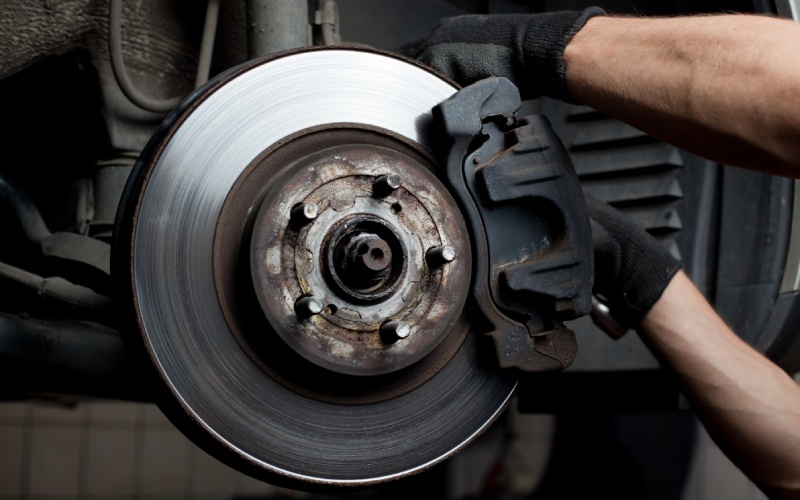
Russ Darrow Mazda of Milwaukee – Brake Service Essentials for Confident City Driving in Milwaukee, WI
When traffic compresses on I-94, or you need to stop smoothly for a quick left near the Milwaukee Riverwalk, your brakes cannot be a question mark. Understanding what matters — pads, rotors, fluid, and the way they work together — helps you make confident maintenance decisions and keep everyday driving drama-free. This guide explains what to watch for, how professionals service your braking system, and smart ways to extend pad and rotor life without sacrificing stopping power.
Why Brake Maintenance Matters in Milwaukee
Stop-and-go commutes, frequent turns onto narrow neighborhood streets, and regular highway merges ask a lot of your brakes. Each press converts momentum into heat at the pad-and-rotor interface. Over time, materials thin, surfaces glaze, and brake fluid absorbs moisture, all of which erode pedal feel and lengthen stopping distances. Proactive care keeps performance predictable and consistent. A thorough brake inspection checks pad thickness, rotor runout, caliper slide freedom, hose condition, and fluid health. If you pair routine checks with quality parts and professional installation, you will minimize surprises and enjoy quieter, more linear stops in day-to-day city driving.
Warning Signs You Should Not Ignore
- Squeal or chirp under light braking: Wear indicators may be contacting the rotor to signal thin pads.
- Grinding noise: Pad friction material could be gone, allowing metal-to-metal contact.
- Pulsation in the pedal: Rotor thickness variation or hotspots may be present.
- Soft or spongy pedal: Fluid may be degraded, or there could be air in the hydraulic system.
- Pulling to one side: A sticking caliper or uneven pad deposits can cause drift.
- Longer stopping distances: Overall system efficiency may be reduced and needs inspection.
Any of these symptoms merits a prompt check, especially if you drive near Milwaukee, WI, where sudden stops are part of the daily rhythm. Early action often turns a potential rotor replacement into a simpler pad-and-service appointment, saving time and protecting your wheels from excessive heat-related discoloration.
Professional brake service begins with measurement, not guesswork. Technicians verify pad thickness and rotor condition with gauges, inspect caliper boots and slides, and evaluate hoses for cracks or swelling. If pads are due, new hardware (abutment clips, anti-rattle clips) is installed to promote even release and prevent noise. Rotors are checked for minimum thickness and runout; depending on condition, they are either replaced or resurfaced if within spec and appropriate for the application. Caliper slide pins are cleaned and lubricated with high-temperature compound, and pad surfaces are bedded properly to establish a stable friction transfer layer for quiet, consistent braking.
What Happens During Professional Brake Service
A comprehensive service also includes a brake fluid evaluation. Because brake fluid is hygroscopic — it absorbs moisture over time — boiling points drop and corrosion risk rises. A fluid exchange restores hydraulic reliability and pedal firmness, especially noticeable during repeated stops or on long downhill grades from the lakefront to inland neighborhoods. When performed alongside pad and rotor work, fluid service helps ensure the entire system works as designed, not just the wear parts at the wheels.
Quality parts matter. Modern Mazda crossovers and sedans are tuned for a specific friction profile. Using genuine or equivalent-grade pads and rotors preserves the bite, modulation, and quiet operation you expect. Lower-grade components can trade initial grab for noise, dust, or faster fade. For drivers who tow small trailers or frequently carry full crews, a higher thermal-capacity rotor and pad set may be a smart choice; a professional can match your parts to your real-world demands.
If you are deciding where to go, look for a shop that performs a full-system inspection, provides clear measurements, and backs the work with documented results. You want technicians who handle your model daily, use quality parts, and road-test the vehicle to confirm a stable, linear pedal before handing back the keys. That approach reduces comebacks and keeps your maintenance timeline predictable.
Smart Ways to Extend Brake Life
- Look ahead in traffic: Smooth, earlier deceleration reduces peak heat and pad wear.
- Right-size your wheels: Oversized, heavy wheels can increase stopping distances and wear.
- Mind your cargo: Extra weight demands more braking force and raises rotor temperatures.
- Pair tires and brakes: Healthy, properly inflated tires shorten stops and share the workload.
- Schedule inspections: Semiannual checks catch small issues before they snowball.
These habits pay off on urban routes with frequent lights and quick merges. Smoother inputs reduce heat cycles, which protects pad resin from glazing and rotors from developing hotspots. Keeping tires rotated, balanced, and aligned also helps distribute braking forces evenly across all four corners, enhancing stability and stopping confidence near Milwaukee, WI.
For drivers who notice recurring brake noise shortly after replacement, installation technique is often the culprit. Skipping hardware, using the wrong lubricant, or failing to clean hub mating surfaces can introduce vibration and create a return visit. Proper torque on wheel fasteners and a short, controlled bedding procedure after service help new pads and rotors settle in quietly. Ask your service advisor for any break-in recommendations specific to your vehicle and parts.
Modern driver-assist features add another reason to keep brakes in top shape. Systems like adaptive cruise and collision mitigation rely on predictable deceleration when they intervene. Consistent pad friction and stable hydraulic pressure allow those assists to apply braking precisely when milliseconds matter. While sensors and cameras do the sensing, the brake system does the stopping — and it needs to be ready every time.
If you prefer guidance tailored to how and where you drive, our team can help you choose pads with the right balance of bite, noise control, and dust levels for your commute, school runs, or rideshare routes. We will measure, explain, and map a plan, whether that means pads-only today with a fluid exchange at your next oil change, or a complete axle service now based on measured wear. That clarity lets you budget realistically and keep safety at the center.
When you want professional, brand-informed care, Russ Darrow Mazda of Milwaukee provides brake inspections, pad and rotor service, and fluid exchanges performed by factory-trained technicians who work with Mazda systems every day. We support all common makes as well, so your household’s mix of vehicles can be maintained under one roof. Schedule online or talk with a service advisor about a brake check alongside your next tire rotation so you can keep every stop smooth and drama-free.
0 comment(s) so far on Brake Service Essentials for Confident City Driving in Milwaukee, WI