



Engine Health Made Simple: Expert Oil Change Guidance near Milwaukee, WI
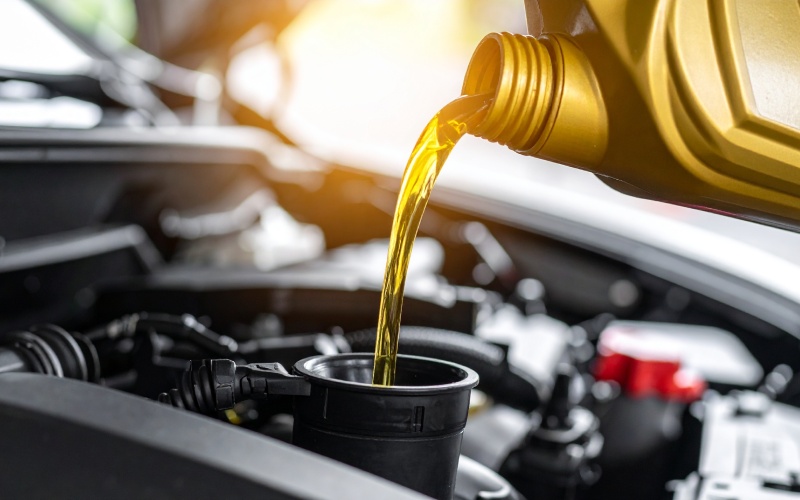
Russ Darrow Mazda of Milwaukee – Engine Health Made Simple: Expert Oil Change Guidance near Milwaukee, WI
Oil changes are one of the simplest ways to protect your engine, preserve performance, and keep every drive feeling smooth and confident. If you commute along I-94, hop on and off Highway 100 for errands, or navigate neighborhood streets from Wauwatosa to Glendale, your engine sees a wide range of conditions that make clean, properly formulated oil essential. In this guide, you’ll find practical, locally relevant advice on intervals, oil types, warning signs, and the questions Milwaukee drivers ask most, so you can schedule maintenance with total confidence near Milwaukee, WI.
Why Oil Changes Matter More Than You Think
Fresh oil does three big jobs inside your engine: it lubricates moving parts to reduce friction, it carries heat away from hot spots for temperature control, and it suspends contaminants so the oil filter can capture them. Over time, heat, combustion byproducts, and microscopic metal particles degrade the oil’s protective additives. Viscosity breaks down, acidity rises, and sludge can begin to form. Routine oil and filter changes reset that chemistry, letting your engine operate as designed.
Skipping changes can show up as noisier operation, decreased fuel economy, and in extreme cases, accelerated wear. The cost of neglect is almost always higher than the cost of maintenance, especially on modern, tightly engineered powertrains.
How Often Should You Change Your Oil?
Always start with your owner’s manual or digital service schedule. Many modern vehicles using full synthetic oil recommend change intervals between 5,000 and 10,000 miles or 6 to 12 months, whichever comes first. Oil Life Monitoring Systems, when equipped, tailor timing based on driving habits and conditions. If you regularly take short trips where the engine doesn’t fully warm up, idle in construction zones, or tow occasionally, you may need more frequent service than a driver doing consistent highway miles.
Milwaukee-area patterns matter, too. Stop-and-go traffic on I-41 or the Zoo Interchange, frequent cold starts after brief store runs on Capitol Drive, and extended idling downtown can all count as severe-duty conditions. These factors don’t mean you need a change every few weeks—just that tightening the service interval is smart insurance.
Choosing the Right Oil: Viscosity and Formulation
Viscosity—like 0W-20 or 5W-30—describes how oil flows when cold and when hot. Your manufacturer’s spec is the gold standard; deviating can affect fuel economy and protection. Many late-model vehicles, including numerous efficient four-cylinders and turbocharged engines, specify full synthetic oil because it resists breakdown better, flows at low temperatures, and protects under heat and load.
As for formulation, full synthetic typically offers the broadest protection envelope. If your engine is turbocharged, does frequent short trips, or you enjoy a spirited drive along Lake Drive, synthetic oil’s stability and detergent packages help keep internals cleaner, valves freer of deposits, and bearings better protected.
Clear Signs You’re Due for an Oil Change
Even with a maintenance minder, it helps to know the physical cues that your oil and filter are ready for replacement.
- Dashboard reminder or oil life alert: Trust it—these systems track real-world conditions.
- Engine sounds louder than usual: Increased ticking or knocking can point to thinning oil.
- Dark, gritty oil on the dipstick: Contaminants and soot mean your filter and oil are saturated.
- Burning-oil smell after drives: Possible leaks or overheated oil deserve prompt attention.
- It’s been 6-12 months since last service: Time matters as much as mileage because additives degrade.
What a Professional Oil Change Includes
A quality service visit is more than draining and refilling oil—it’s a checkpoint for overall health. Expect a technician to verify viscosity and quantity, replace the filter, and torque the drain plug correctly. Many shops add a multi-point inspection to catch small issues before they become big repairs.
- Oil selection by spec: The correct viscosity and certification for your engine.
- Filter replacement: A fresh, high-quality filter keeps new oil clean longer.
- Drain plug and washer: Proper torque and a new crush washer help prevent leaks.
- Fluid top-offs: Coolant, washer fluid, and sometimes brake and steering checks.
- Multi-point inspection: Tires, brakes, belts, and visible leaks get an expert look.
DIY or Professional Service?
Changing your own oil is doable for experienced DIYers with the right tools and disposal plan. But modern engine bays can be tight, belly pans take time to remove, and over- or under-torquing components can create expensive follow-ups. Professional service saves time, ensures the correct specification oil and filter, and includes responsible fluid recycling—plus you’ll get a documented history that supports resale value and warranty compliance.
Speaking of disposal—never pour used oil down a drain or onto the ground. Reputable shops recycle it properly, and many Milwaukee-area centers accept used oil for safe processing.
Ways to Help Your Oil Work Its Best
Small habits can extend oil life and protect your engine between services.
- Combine short trips: Allow the engine to reach full operating temperature to evaporate condensation and fuel vapors.
- Stay current on air filters: A dirty engine air filter can increase contaminants suspended in oil.
- Use the right filter: Quality matters—filtration efficiency and anti-drainback valves protect at startup.
- Watch your level: Check the dipstick monthly and top off with the correct oil if needed.
- Honor the maintenance minder: It adjusts intervals based on how and where you drive.
If you’re unsure which oil your vehicle needs, bring your VIN or owner’s manual to your service advisor. They can match the exact viscosity and certification your engine calls for, including requirements for vehicles with turbochargers or start-stop systems.
Schedule your next oil change with Russ Darrow Mazda of Milwaukee—our certified team focuses on factory-correct fluids, filters, and procedures that keep your engine running at its best around our city streets and highways.
Convenience also counts. Online scheduling, clear communication, and while-you-wait options make it easy to fit maintenance into a busy day, whether you’re heading to a meeting downtown, shuttling kids to practice in Franklin, or planning a weekend getaway out I-43. Consistent care now helps avoid road-trip surprises later.
Frequently Asked Questions:
How often should I change full synthetic oil if I mostly do city driving?
Check your manual first, then consider your habits. Many vehicles recommend 7,500 to 10,000 miles or 6 to 12 months with full synthetic. For frequent short trips, idling, and stop-and-go on I-94, lean toward the shorter end of that range.
What oil viscosity is right for my car?
Use the viscosity listed in your owner’s manual or on the oil cap—common specs include 0W-20, 5W-20, and 5W-30 for modern engines. Sticking to the manufacturer’s recommendation ensures proper cold-start flow and high-temperature protection.
Can I switch from conventional to synthetic oil?
Yes. Synthetic and conventional oils are compatible. Many drivers switch to synthetic for better stability under heat, improved low-temperature flow, and longer service intervals when recommended by the manufacturer.
Why does my oil turn dark so fast after a change?
Oil’s detergents start cleaning immediately, suspending soot and microscopic particles—that darkening can be a sign the oil is doing its job. Color alone isn’t a reliable indicator of oil life; follow your maintenance minder or manual.
Is topping off okay, or do I need a full change?
Topping off is fine for maintaining the proper level, especially if your maintenance minder shows life remaining. If you’re topping off frequently, ask a technician to inspect for leaks or consumption and plan a full change at the recommended interval.
Will a professional oil change help my resale value?
Documented maintenance builds buyer confidence and can support a stronger selling price. Service records showing factory-spec fluids and timely care speak volumes about overall ownership.
A Local Reminder for Confident Driving
From daily commutes through the Marquette Interchange to weekend miles up I-43, your engine’s best performance hinges on clean oil, a quality filter, and consistent care. Prioritize routine changes, match the correct viscosity, and keep a service record you can rely on. When you’re ready for expert guidance and a quick, professional visit, we’re here to help near Milwaukee, WI—so every start, stop, and merge feels as smooth as it should.
0 comment(s) so far on Engine Health Made Simple: Expert Oil Change Guidance near Milwaukee, WI