



Smoother Commutes in Ongoing Construction — Mazda Crossovers vs Toyota SUVs near Milwaukee, WI
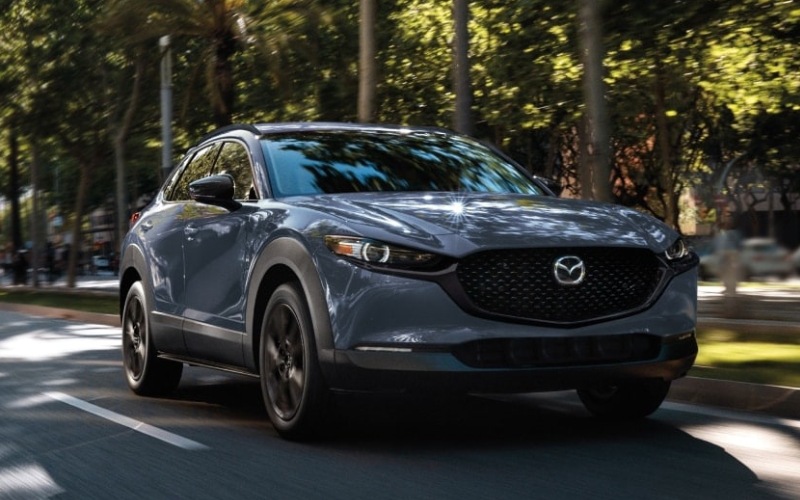
Russ Darrow Mazda of Milwaukee – Smoother Commutes in Ongoing Construction — Mazda Crossovers vs Toyota SUVs near Milwaukee, WI
Daily driving around Milwaukee can be a tale of two worlds: a steady stream along I-43 in fair weather and a crawl past orange barrels on I-94 near the Zoo Interchange during peak construction. At Russ Darrow Mazda of Milwaukee, we talk with commuters every day who want one thing above all else—less fatigue. With that in mind, this blog compares Mazda crossovers and SUVs to Toyota SUVs through a single, focused lens: how both brands handle stop-and-go traffic, constant lane shifts, and rougher pavement common around downtown, Wauwatosa, and Menomonee Falls. Our goal is to share practical insights that help you feel better at the end of a long day behind the wheel.
Mazda engineers design cabins and driving dynamics around a human-centric philosophy that promotes natural posture and smoother micro-movements, which matters when you are spending more time in traffic than in top gear. Toyota SUVs are renowned for dependability and a broad mix of powertrains, including robust hybrid options. Both approaches serve Wisconsin drivers well, but the way each brand tunes steering, throttle response, transmissions, seats, and driver-assistance systems plays a big role in how fresh you feel when you pull into a Third Ward parking ramp or a driveway in Mequon.
Let’s unpack the differences that stand out in real Milwaukee conditions—freeze-thaw pavement, lake-effect gusts, and a lot of lane jockeying—so you can choose a vehicle that makes every commute feel calmer and more controlled.
Ride comfort starts with the fundamentals: chassis rigidity, suspension calibration, and seat design. Mazda emphasizes body control and fluid weight transfer with systems such as G-Vectoring Control Plus, which fine-tunes engine torque and braking inputs to create steadier, more predictable responses. You feel this in the way a Mazda settles when changing lanes over expansion joints on US-41 or easing around a tight on-ramp in Wauwatosa. Seats in Mazda crossovers are also shaped to support a neutral spine, helping neck and lower back muscles relax over time. Toyota SUVs deliver a compliant, family-friendly ride with substantial isolation from bumps, and many models are tuned for comfort first. Mazda’s difference is the subtle sense of unity between seat, steering, and suspension, which reduces the small corrective motions that add up to fatigue in construction traffic.
Powertrain character is another key differentiator. Many Mazda models pair responsive engines with well-calibrated automatic transmissions that favor direct, intuitive shifts. The result is clean takeoffs from a red light on Wisconsin Avenue and confident merges when a short passing window opens on I-43. Toyota offers an array of transmissions across its lineup, including multi-gear automatics and CVTs in some compact and midsize applications. Toyota’s calibrations are smooth and efficient, especially in hybrids. If you prefer a more immediate, connected feel when rolling on and off the throttle in rolling traffic, Mazda’s approach tends to deliver that linearity without drama.
Noise, vibration, and harshness matter more than most drivers realize. Long stretches of coarse pavement near the lakefront and the rhythmic thump of patched asphalt can raise stress levels. Mazda invests in strategic insulation, acoustic glass on select trims, and detailed sealing that keep conversation clear and ambient noise low. Toyota also does an admirable job with cabin isolation on many SUVs. What we hear consistently from local shoppers after back-to-back drives is that Mazda’s quieter, more composed soundscape helps the whole cabin unwind—valuable during a late-night run past American Family Field when the freeway is humming with outbound traffic.
Driver-assistance technology can either reduce stress or add to it, depending on how naturally it integrates. Mazda i-Activsense includes features such as Mazda Radar Cruise Control with Stop & Go, Traffic Jam Assist on select models, Lane Keep Assist, Blind Spot Monitoring, Rear Cross Traffic Alert, and Smart Brake Support. In slow-moving conditions along Capitol Drive or Port Washington Road, the Stop & Go function and Traffic Jam Assist (when equipped) help maintain space and lane position with minimal fuss. Toyota Safety Sense is a standout suite in its own right, offering Dynamic Radar Cruise Control, Lane Tracing Assist, and Pre-Collision System with Pedestrian Detection. In practice, Mazda focuses on clear, concise alerts and intuitive control placement—including an available Active Driving Display head-up projection—so eyes stay forward and the cabin stays calm.
Parking and maneuvering are a daily test around the Milwaukee Public Market, Brady Street, and the Deer District. Mazda’s available 360° View Monitor, front and rear parking sensors, and crisp camera graphics make tight ramps and parallel spots easier. Steering effort is progressive and precise, which helps place the vehicle within inches when snowbanks narrow street edges. Toyota offers helpful camera systems as well, including available bird’s-eye views on certain SUVs. Drivers who prefer stronger on-center steering feel and predictable off-center response in close quarters often gravitate toward Mazda after a few test maneuvers.
Winter and shoulder seasons present their own challenges—slush-filled ruts on Good Hope Road, surprise slick patches near the Hoan Bridge, and early spring potholes across the North Shore. Mazda’s i-Activ AWD® is engineered to be predictive, using inputs across the vehicle to preempt wheel slip and share torque calmly before you notice a change in grip. The system works hand-in-glove with traction and stability controls to keep movements smooth rather than abrupt. Toyota offers several capable AWD systems, including mechanical and hybrid-based variants that add traction confidently. Where Mazda stands out locally is how seamlessly the AWD system preserves that planted, linear feel when transitioning from dry patches to icy seams during a morning commute.
Interior controls also influence mental load. Mazda Connect balances a clean display with tactile, direct-access controls for frequent tasks—so you can adjust core functions without diving through multiple on-screen layers. Wireless Apple CarPlay and Android Auto are available on select Mazda models, and the interface maintains a focus on minimal distraction. Toyota infotainment systems have made major strides with large touchscreens and cloud-based features; the experience is comprehensive and familiar to many users. For commuters who prefer a blend of physical controls and thoughtful screen logic, Mazda’s approach often earns high marks during real-world test drives.
Cargo practicality is the final piece of the commute puzzle. Whether you are picking up a week’s worth of groceries in Menomonee Falls or hauling a stroller and hockey gear to Pettit National Ice Center, the details matter—like a low cargo floor, wide opening, and seatbacks that fold flat and quickly. Mazda crossovers offer useful touches such as an available 40/20/40 split second row that lets you carry long items while keeping two rear passengers comfortable. Toyota SUVs provide excellent space and versatile 60/40 configurations across much of the lineup. If you regularly pack awkward or longer items, the Mazda split-fold flexibility can simplify daily logistics.
Here is a quick, commuter-focused comparison to summarize how these differences feel day-to-day around Milwaukee traffic and weather:
- Smoother inputs in traffic reduce fatigue on construction-heavy routes
- Natural seating posture supports your back and neck during long drives
- Predictive AWD integration helps keep motions calm on mixed-traction roads
- Low cabin noise and clear audio make conversation and calls easier
- Intuitive controls and available head-up display keep your eyes forward
- Parking tech and precise steering help in tight downtown ramps
- Flexible cargo solutions simplify weekly errands and weekend gear
Choosing between two strong brands is easier when you narrow the conversation to your real life. If your week involves early starts on I-43, mid-day meetings in East Town, and evening practices across town, the way a vehicle manages small motions, noise, and controls will decide how you feel at mile 5—and mile 55. Toyota SUVs remain a smart, proven choice, especially for shoppers prioritizing a wide range of hybrid options. Our experience, validated by back-to-back test drives with local customers, is that Mazda crossovers consistently deliver a calmer, more connected commute that leaves you feeling more refreshed when you arrive.
We invite you to visit Russ Darrow Mazda of Milwaukee to experience these differences on your exact route. Our team can map a test drive that includes freeway merges, lane shifts near current construction, and a tight parking sequence downtown—so the comparison feels honest, local, and tailored to you.
Frequently Asked Questions:
Which brand feels less tiring in Milwaukee stop-and-go traffic?
Many shoppers perceive Mazda as less fatiguing thanks to human-centric seating, precise steering, smooth power delivery, and intuitive driver-assistance integration. Toyota’s comfort and assistance tech are strong as well. The best answer comes from a back-to-back drive on your normal route so you can feel the differences in your own muscles and mind.
Is Mazda i-Activ AWD® a good match for Milwaukee winters?
Yes. i-Activ AWD® is designed to be predictive and seamless, which helps maintain composure when you encounter slush, black ice, or alternating dry and slick patches. The system works smoothly with stability controls to reduce abrupt corrections. Toyota offers capable AWD systems too; the distinguishing factor for many drivers is Mazda’s calm, linear feel in mixed traction.
What about hybrids for commuting efficiency in cold weather?
Toyota’s hybrid experience is extensive and well regarded, with multiple SUV hybrids available. Mazda now offers electrified options as well, including select PHEVs and the Mazda CX-50 Hybrid. Real-world efficiency in cold temperatures varies based on route, cabin heat use, and driving style. We recommend test drives on a typical morning with similar HVAC settings to see how each system responds.
Which body styles should Milwaukee commuters consider within the Mazda lineup?
Compact and midsize Mazda crossovers are popular for their ride comfort, seating support, and maneuverability in city ramps. If you want a smaller footprint for tight parking but robust features, consider options in the compact class; for family needs and highway stability during crosswinds or truck wash, a midsize Mazda SUV is often ideal.
How can Russ Darrow Mazda of Milwaukee help me compare fairly?
We set up a route that mirrors your daily drive—freeway on-ramps, active construction segments, neighborhood streets, and a downtown parking sequence—so you can evaluate steering feel, throttle response, noise levels, parking tech, and driver-assistance behavior in the exact conditions you face every week.
When you are ready to cut stress from your commute, visit us at 11330 W Metro Auto Mall in Milwaukee, or contact our team to plan a comparison drive that fits your schedule. At Russ Darrow Mazda of Milwaukee, our goal is to help you feel more relaxed at the end of every drive—rain, snow, or summer construction season.
0 comment(s) so far on Smoother Commutes in Ongoing Construction — Mazda Crossovers vs Toyota SUVs near Milwaukee, WI