



When and Why You Should Replace Your Cabin Filter
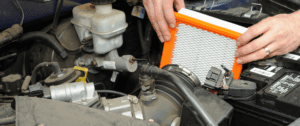 When and why you should replace your cabin filter are two important vehicle maintenance tasks that every driver should know. It is something to be considered for keeping the air quality inside your vehicle clean and ensuring a comfortable, healthy driving experience.
First, what is a cabin filter? A cabin filter, also known as an interior pollen filter, is positioned in the ventilation, heating, and air conditioning systems in your vehicle; a cabin air filter collects dirt, dust, pollen, exhaust fumes, and other small contaminants before they blow through your vents and into the cabin. The filter helps maintain clean air inside the vehicle, reducing the risk of respiratory issues and ensuring a more pleasant driving experience. The Russ Darrow technicians recommended replacing your cabin filter every 15,000 to 30,000 miles or once a year, depending on your driving habits and the area in which you live. If you drive in heavy traffic, dusty conditions, or through areas with high pollen counts or have allergies, consider replacing the filter more often. Signs that indicate it is time to replace your cabin filter include reduced airflow from the vents, musty or foul odors when the air conditioning is running, or you notice the cabin is dusty.
Why Should You Replace Your Cabin Filter? Regularly replacing the cabin air filter lessens the pollution that enters your vehicle’s interior. It’s the only thing standing between the air you breathe inside your car and the outside, blocking much of the smoke, smog, and ash from fires, other harmful pollutants, and dirty exhausts from other vehicles. Replacing your filter regularly ensures that pollution stays outside your car, meaning you breathe in healthier air inside. When the filter is clean and unclogged, your vehicle’s engine doesn’t have to work nearly as hard to power the HVAC system, and you get better airflow so your cabin will cool down much more quickly in the hot summer months, and it will warm up more quickly in the colder months. By keeping the HVAC system free from debris, a clean cabin filter can help prolong the lifespan of other essential components, such as the blower motor and evaporator, ultimately saving you money on costly repairs. Mold can build up on the filter if you don’t change it, which can cause foul odors and smells. Mold is also highly unhealthy to breathe in, as it can make a person very sick. If you start to smell foul or musty odors inside your vehicle or notice that your HVAC fan is running more loudly, schedule a service appointment with us, and we’ll quickly change your cabin air filter for you.
If you’ve never considered the cabin air filter as an essential component of your driving comfort, think again. Cabin air filters help drastically reduce the allergens that can enter the vehicle. Pollen could quickly get inside without the cabin air filter, and the less often you change your filter, the more of gets get into your car. Regularly changing your cabin air filter helps ensure these undesirable pollutants don’t enter your car’s cabin. You’ll also have better fuel efficiency with a clean and functioning cabin filter. Don’t wait until you start to have issues with the air quality inside your vehicle. When you are at Russ Darrow Service and Repair for a tire pressure check, oil change, or any other maintenance visit, ask the technicians to inspect the filter and change it if necessary. You’ll enjoy a cleaner, healthier in-cabin environment for years to come.
0 comment(s) so far on When and Why You Should Replace Your Cabin Filter